Sunday, February 9, 2020

Babette's Feast

It was very interesting to see how religion and food interacted in this movie. I want to discuss one scene that I felt really showed the true characters of the sisters. During one of the first flashbacks, the camera shows the sisters singing in church. The narration explains that Martine and Philippa are devote protestants and refrain from going out at night or partaking in any other indulgences. The only place the girls appear are at church with their father. Even without the narration, the visual of the girls smiling and singing with all of the village boys staring at them at church was such a great depiction of where the girls get their pious attitudes. The sisters have had to "protect" themselves from sin (earthly love and other indulgences) almost in the entire movie. Men lust after them, like the village boys and the opera singer, but the girls only devotion is to God and their church community. The only time one of the sisters actually returns feelings of love is with the general, who is respectful and loves from afar, which seems like the only kind of love the sisters will accept. When the sisters have aged and are ready to eat Babette meal, this helps explains why they decide to refrain from talking about the food. The sisters are protecting themselves from earthly indulgences like they have rejected many times in the past. Usually their father will step in, like when one of the sisters was being "trapped" by the opera singer. The father stepped in handed the rejection letter to make the singer go away. Since the father is long deceased and the girls love Babette, the sisters agree to eat her meal, allowing an opportunity to further evolve the community

Babette's food transcends religion. Right before the food is served, the church community is fighting/bickering over petty arguments involving topics like lust and betrayal (the woman who cheated on her husband and the man who cheated a trick on his brother). Having a dinner is a religious experience. By eating together and sharing a meal, the community is reunited as the protestants have dropped their guards and by the end their bodies and souls are nourished. For example, the brothers who tricked each other were empty, feeling that they have lost trust between each other. By the end of the feast they admit they both have cheated each other and are able to laugh about it. The food has nourished the community in a way words could not, the sisters could not even bring peace to the community as they tried to unite in song before the meal and it ended in an outbreak. This shows the old protestant ways are becoming outdated and a new holy language needs to develop: food.

Another element of the feast scene that stuck out to me was how important discussing the food is. The whole entire time the general is trying to discuss the meal with everyone as he is blown away by the cooking. He even tries to add anecdotes from his time in France as he tastes the duck pastry. If another person at the table decided to pick up on this conversation, it would have been revealed much sooner that Babette was a famous chef. Eating sparks conversation and the tension at the dinner table was comedic because  avoidance of discussing the food is an unnatural because the dinner table carries its own culture. This shows how food is supposed to connect the people who enjoy the meal together. By taking away this element, it reveals how prominent discussion of food at the dinner culture really is.

Babette's Feast shows this transformation of the Protestant people and the power great food can have.

-Annie McDevitt
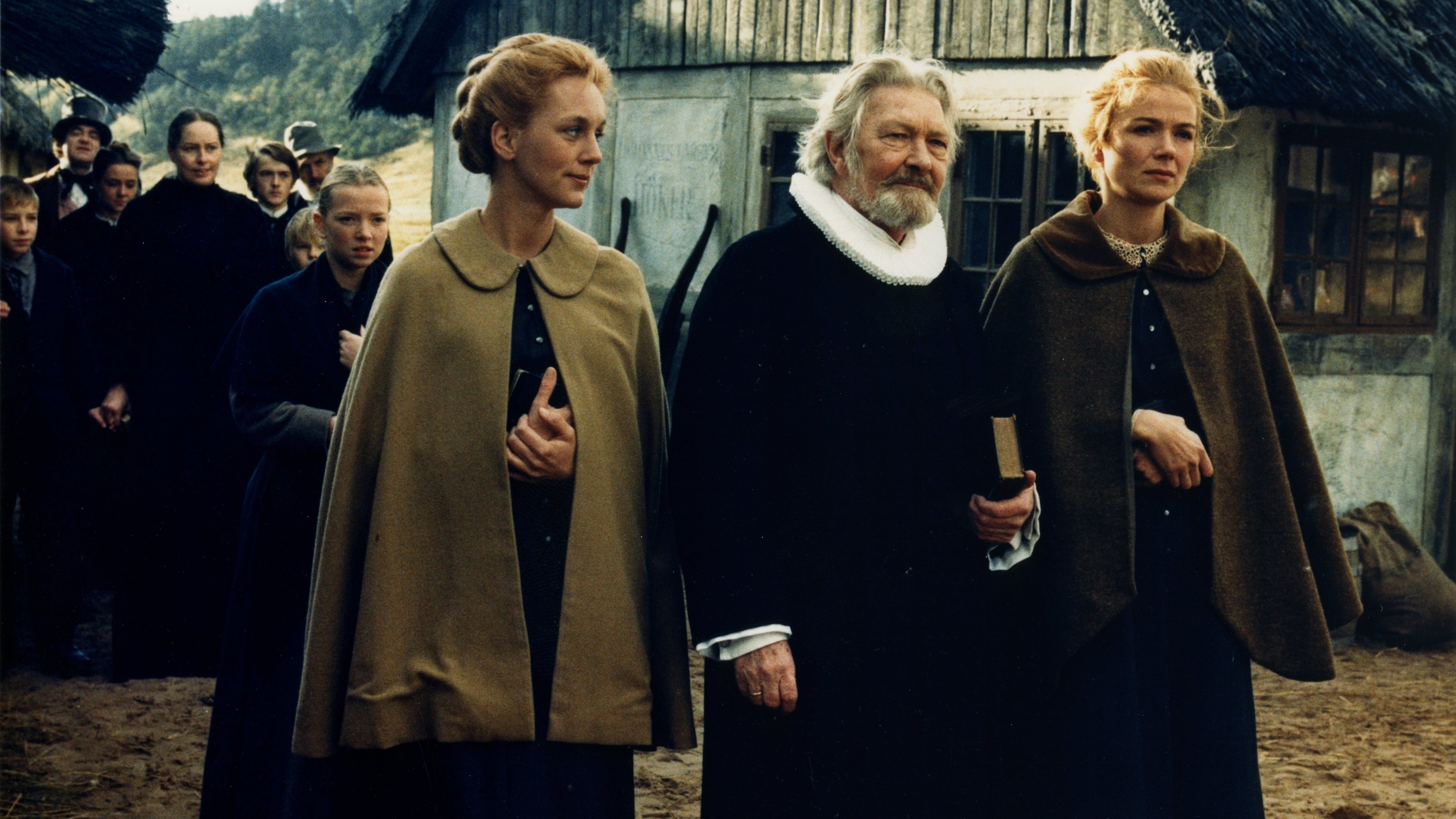
Image result for babettes feast churchImage result for babettes feast church

No comments:

Post a Comment

The Final Post

This class has given me a new perspective of food. Looking at all of my previous blogs, I see that I understand the ways food can be used...